


About
We work with tech companies, academia, governments and other partners to push AI to its limits to deliver tailored forecasts that can improve human lives in low- and middle-income countries.

Michael Kremer
2019 Nobel Laureate; Co-director, HCF

Pedram Hassanzadeh
Co-director, HCF

Amir Jina
Co-director, HCF
What We Do
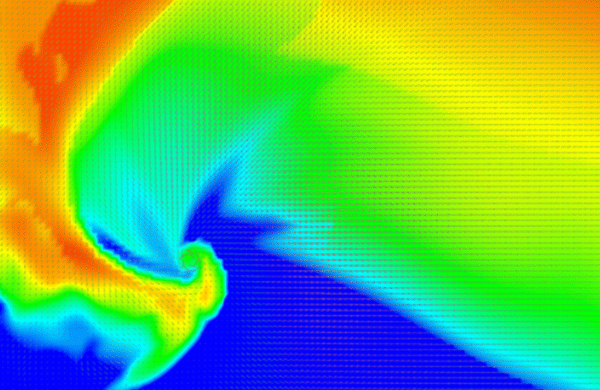
Benchmarking and Model Development

Large-Scale Dissemination

Assessing Impact, User Experience
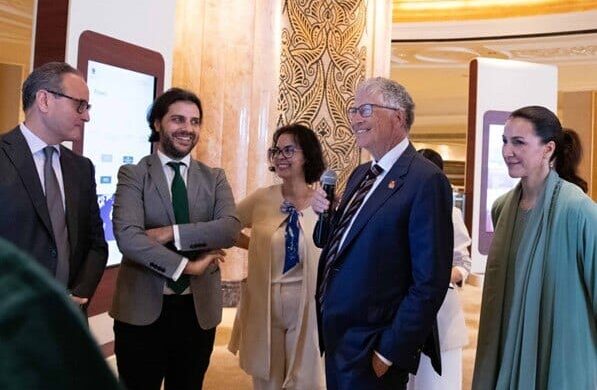
Forecaster Capacity Building
Leadership

Scholar
Pedram Hassanzadeh
Associate Professor, Geophysical Sciences and Computational and Applied Math; Director, AI for Climate Initiative
Scholar
Michael Kremer
University Professor in Economics, the College, and the Harris School of Public Policy; Director of the Development Innovation Lab; Faculty Director, Development Economics Center at the University of Chicago
AI Weather Forecasts: Impact and Cost Effectiveness
The secretariat of the global Innovation Commission on Climate Change, Food Security and Innovation, based at the UChicago Development Innovation Lab, reviewed evidence on a range of innovations for evidence of impact and cost effectiveness and selected provision of AI weather forecasts among a small set of priority innovations. They found that procuring regional monsoon onset forecasts covering 12 countries with 260-305 million farming families in Africa is estimated to cost $23 million, while generating more than a hundred times as large benefits for farmers.
